Luxury Bleisure Resorts USA: Executive Workation & Travel Sourcing
Blended business and leisure travel represents a fundamental shift in executive mobility. High-earning professionals, senior founders, and remote enterprise directors increasingly extend business trips to integrate leisure activities. This evolution requires luxury properties to support demanding remote workloads while offering high-end hospitality services. Evaluating resort suitability requires looking beyond standard vacation amenities to assess work infrastructure, private meeting spaces, high-speed digital connectivity, and family services.
Modern luxury hospitality properties across North America are undergoing operational restructuring. Traditional resort models designed solely for vacationing guests often fail to meet the needs of working executives. Remote work demands symmetrical high-speed internet, ergonomic desks, quiet environments, and private areas for confidential communications. Resorts must adapt by converting business centers into flexible workspaces, upgrading wireless networks, and training staff to support working guests.
Evaluating premium bleisure properties involves balancing work productivity against personal leisure choices. Corporate travel managers, remote executives, and travel planners must look past marketing materials to evaluate properties objectively. Sourcing teams analyze room noise levels, network bandwidth, administrative support services, local childcare options, and airport transfer times to ensure successful blended stays.
This analytical reference guide examines executive bleisure ecosystems, property sourcing frameworks, operational failure points, and financial management strategies across major domestic resort markets. By assessing property categories, cost structures, risk management approaches, and governance policies, this document provides an authoritative resource for corporate travel directors, human resource executives, and remote business travelers.
Understanding “Luxury Bleisure Resorts USA”
Defining Scope and Core Capabilities
Evaluating luxury bleisure resorts usa requires assessing properties across multiple operational parameters. Key factors include in-room acoustic insulation, dedicated ergonomic desk layouts, high-speed Wi-Fi, private meeting rooms, and flexible dining schedules. Operational friction occurs when resorts feature slow wireless networks, host loud poolside events during business hours, or lack quiet spaces for video calls.
Strategic Trade-Offs in Bleisure Sourcing
Balancing remote work needs with leisure options creates continuous challenges for travel planners. Properties located in isolated natural areas offer quiet environments for deep focus, but weak cellular coverage and long transfer times can disrupt tight schedules.
Primary Operational Friction Points
-
Isolated Wilderness Resorts vs. Urban Fringe Sanctuaries: Remote lodges provide quiet working spaces, whereas urban fringe properties offer fast airport connections and city dining.
-
Family-Oriented Amenities vs. Adult Quiet Zones: Family resorts keep partners and children entertained, but noisy pools can disrupt confidential business calls.
-
Dedicated Private Work Cabanas vs. In-Room Desks: Renting private work cabanas ensures quiet focus, while in-room desks allow seamless transitions between rest and work.
Root Causes of In-Stay Disruption
Poor room soundproofing remains a leading cause of traveler dissatisfaction during blended stays. Guests struggle to work when properties use light interior walls, lack door seals, or place rooms near active recreational facilities.
Unreliable network infrastructure represents another major operational barrier. Resorts often promise high-speed wireless internet but struggle to maintain bandwidth during peak hours when many guests stream video content simultaneously.
Deep Contextual Background: Evolution of Blended Travel
From Business Trips to Flexible Workations
American business travel historically separated corporate trips from personal vacations. Mid-century executives traveled on tight schedules, focusing strictly on client meetings, trade shows, and corporate conferences. Personal holidays were booked separately during dedicated annual leave periods.
The growth of mobile technology, cloud computing, and flexible work policies during the 2010s transformed corporate travel patterns.
Modern High-Performance Bleisure Destinations
Today, high-end hospitality destinations function as flexible remote work hubs. Leading resorts design guest suites with ergonomic workspaces, abundant power outlets, soundproof walls, and fast digital check-in systems to support working professionals.
Conceptual Frameworks and Mental Models
1. The Bleisure Balance Model (BBM)
The BBM framework evaluates property performance across blended travel dimensions:
Maximizing BBM values ensures that resort stays yield productive work outputs while delivering relaxing leisure experiences.
2. The Four Pillars of Bleisure Property Sourcing
This framework organizes property evaluation across four essential operational requirements:
Assessing properties using these four pillars prevents key operational oversights when booking extended blended trips.
3. The Bleisure Property Taxonomy (BPT)
The BPT framework classifies North American resorts by functional layout and primary business use case:
-
Desert Wellness Sanctuaries: Sprawling properties offering quiet environments, spa services, and outdoor activities, ideal for deep focus and executive renewal.
-
Coastal Luxury Estates: Oceanfront resorts featuring private cabanas, fine dining, and water sports, perfect for family-accompanied business stays.
-
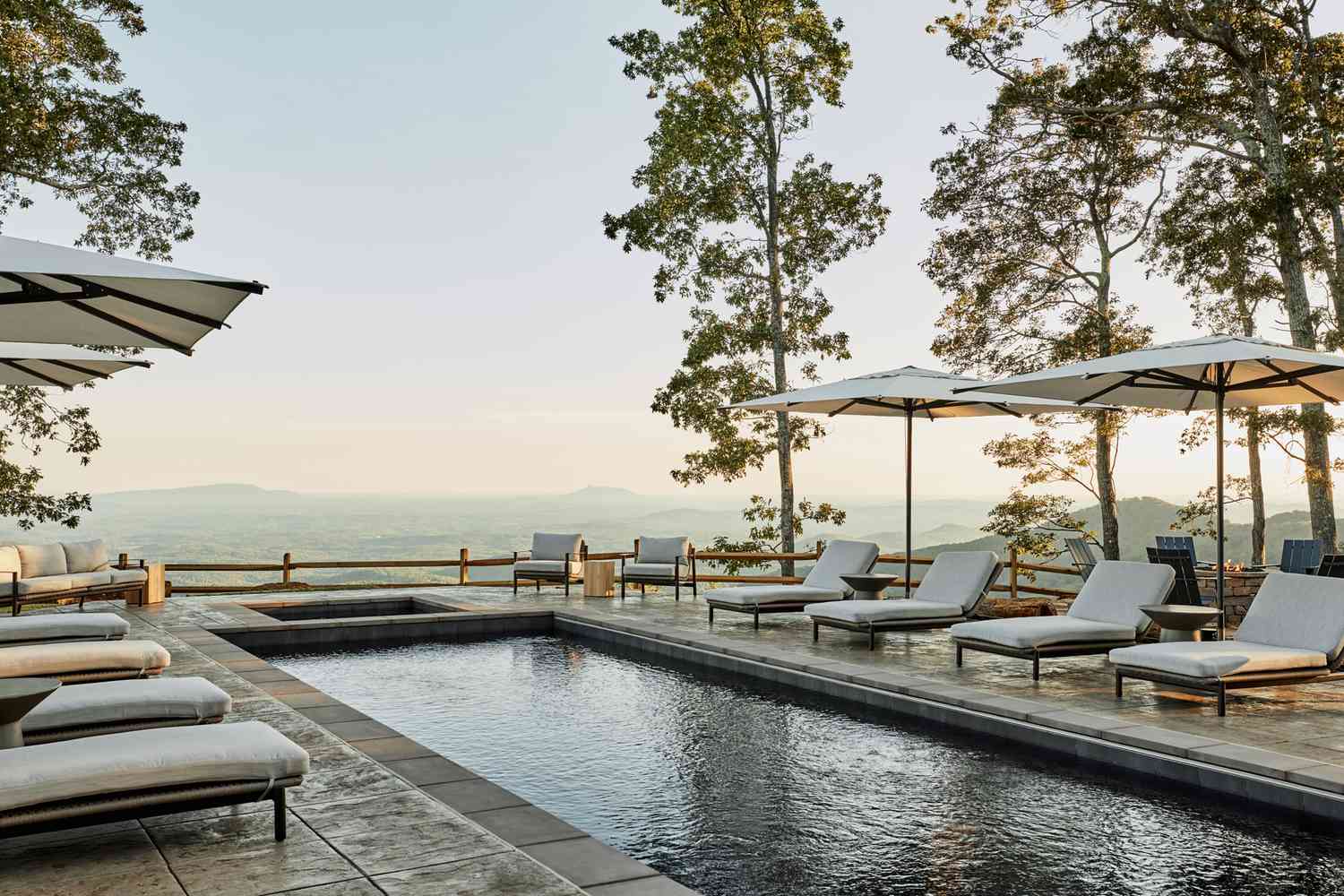
Mountain Ranch Retreats: Secluded alpine lodges providing outdoor recreation, high-speed internet, and quiet workspaces for strategic planning.
Key Categories and Market Variations
1. Desert Wellness Sanctuaries
-
Characteristics: Quiet desert settings, full-service spas, private casitas, soundproof workspaces, and healthy dining options.
-
Trade-offs: Higher lodging costs and seasonal heat balanced against low distraction levels and relaxing environments.
2. Coastal Luxury Estates
-
Characteristics: Ocean views, private work cabanas, kids clubs, fine dining, and marine activities.
-
Trade-offs: Premium room pricing and seasonal crowds matched with excellent family entertainment options.
3. Mountain Ranch Retreats
-
Characteristics: Private acreage, equestrian trails, fireplaces, quiet meeting spaces, and outdoor activities.
-
Trade-offs: Longer ground transit from major airports offset by exceptional privacy and inspiring scenery.
Bleisure Resort Category Comparison
| Resort Category | Nightly Cost Range | Workspace Quality | Acoustic Isolation Level | Primary Bleisure Utility |
| Desert Sanctuaries | $600 – $1,400+ | Superior (Private Casitas) | High (Spaced Units) | Deep focus & executive renewal |
| Coastal Estates | $750 – $1,800+ | Good (Work Cabanas) | Moderate to High | Family-accompanied business trips |
| Mountain Ranches | $800 – $2,000+ | Excellent (Quiet Lodges) | Very High (Private Acreage) | Strategic planning & outdoor rest |

Detailed Real-World Scenarios
Scenario A: Managing a Remote Executive Workation
-
Context: A technology executive extends a West Coast conference trip by five days to work remotely while vacationing with family.
-
Constraints: Requires fast Wi-Fi for video calls, childcare support, and quiet morning work hours before family activities.
-
Decision Logic: The planner selects a coastal resort offering a private work lounge, an active kids club, and quiet adult pools.
-
Failure Mode: Booking a small boutique hotel results in slow internet, noisy public spaces, and no family recreational options.
Scenario B: Supporting a Strategic Leadership Retreat
-
Context: A founder conducts a three-day strategic planning session combined with team bonding activities.
-
Constraints: Demands complete privacy, high-speed document sharing, private dining areas, and outdoor group activities.
-
Decision Logic: Planners choose a mountain ranch offering private cabins, dedicated meeting spaces, and guided trail rides.
-
Failure Mode: Selecting a downtown business hotel leads to cramped meeting rooms, urban noise, and limited leisure options.
Planning, Cost, and Resource Dynamics
Financial Management & Expense Allocation
Managing blended travel expenses requires clear division between corporate business costs and personal leisure expenditures. Corporate policies usually cover airfare, primary lodging nights, and business meals, while personal funds cover extended nights, family expenses, and weekend activities.
Bleisure Travel Financial Allocation Matrix
| Expense Category | Corporate Account Coverage | Personal Account Coverage | Expense Governance Rule |
| Base Airfare | 100% (Standard Business Route) | 0% (Extra Baggage / Upgrades) | Fixed quote comparison required |
| Hotel Nights | Core Business Days Only | Extended Leisure Days | Itemized folio splitting enforced |
| Ground Transit | Airport-to-Meeting Routes | Personal Weekend Excursions | Detailed log submissions mandatory |
Tools, Strategies, and Support Systems
Essential Digital Tools
-
Folio Splitting Mobile Apps: Financial management tools that automatically separate business expenses from personal charges on hotel bills.
-
Mobile Bandwidth Testers: Applications used to audit Wi-Fi speeds and latency before starting important video calls.
-
Virtual Private Networks (VPNs): Encryption software required to protect sensitive corporate data over resort Wi-Fi networks.
-
Local Childcare Platforms: Vetted services used to arrange qualified babysitting during scheduled business meetings.
Operational Booking Strategies
-
Mid-Week Workation Booking: Scheduling remote work days between Tuesday and Thursday to secure lower room rates and quieter public spaces.
-
Advance Workstation Requests: Contacting resort management prior to arrival to confirm desk dimensions, power outlet access, and room noise levels.
-
Private Cabana Reservations: Booking quiet poolside or garden cabanas in advance to secure reliable work areas outside the guest room.
Risk Landscape and Failure Modes
Identifying Operational Risks
Relying on unvetted resorts for blended business and leisure travel introduces productivity losses, security vulnerabilities, and expense compliance issues.
Primary Operational Risks
-
Cybersecurity Threats on Shared Wi-Fi: Open resort networks expose business laptops to unauthorized data access and cyberattacks.
-
Tax Compliance Complications: Extended stays in secondary states can trigger corporate tax obligations or personal income tax filings.
-
Unannounced Resort Events: Large weddings or social parties create noise, overcrowd restaurants, and disrupt quiet work environments.
Governance, Maintenance, and Long-Term Adaptation
Establishing Program Governance
Human resource teams and travel managers must establish clear guidelines for blended travel to ensure policy compliance and employee safety.
Program Governance Checklist
-
Clear Expense Guidelines: Publish clear rules defining covered business expenses versus non-reimbursable personal charges.
-
Duty of Care Extensions: Extend corporate travel insurance coverage to cover approved leisure days during business trips.
-
Cybersecurity Compliance: Require active VPN usage and encrypted storage on all laptops used during remote workations.
-
Tax Threshold Tracking: Monitor total days worked in secondary states to prevent unexpected corporate tax liabilities.
Measurement, Tracking, and Evaluation
Performance Indicators
Evaluating bleisure travel programs requires tracking financial compliance metrics alongside employee satisfaction and productivity scores.
Quantitative Metrics
-
Policy Compliance Rate: Percentage of blended trips adhering to corporate expense splitting and lodging cost caps.
-
Average Savings per Trip: Cost reductions achieved by combining business travel with personal leave trips.
-
Network Speed Benchmarks: Wi-Fi download and upload speeds recorded across preferred bleisure resort properties.
Qualitative Signals
-
Employee Retention Feedback: Survey responses measuring how flexible workation policies impact job satisfaction and loyalty.
-
Workplace Productivity Ratings: Manager assessments evaluating project delivery and communication quality during remote workations.
Common Misconceptions and Oversimplifications
Myth 1: Any Luxury Resort Is Suitable for a Remote Workation
-
Correction: Many luxury properties focus entirely on leisure, lacking functional desks, quiet spaces, or reliable high-speed internet.
Myth 2: Bleisure Travel Increases Corporate Travel Costs
-
Correction: Combining business trips with personal travel often reduces overall flight costs and improves employee retention without increasing business expenses.
Myth 3: Working from a Resort Reduces Employee Output
-
Correction: Flexible, inspiring work environments often boost employee focus, creative problem-solving, and overall work quality.
Ethical, Practical, and Regulatory Considerations
Corporate Tax Compliance and State Regulations
Working remotely from resort locations across state lines can create tax complications for employers and employees. Human resource departments must monitor length of stay thresholds to maintain compliance with state income tax laws.
Equitable Access to Flexible Work Policies
Enterprise organizations should ensure bleisure travel policies are applied fairly across different teams and job levels to maintain workplace equity and morale.
Conclusion
Evaluating luxury bleisure resorts usa requires balancing work infrastructure quality, network reliability, property location, and leisure amenities. Enterprise leaders recognize that well-managed blended travel programs improve employee satisfaction while maintaining business productivity.
By establishing clear expense policies, auditing property work environments, and leveraging modern digital tools, organizations build flexible travel frameworks that support executive focus and personal well-being across North America.