Executive Airport Lounge Experiences USA: Traveler Guide
Optimizing corporate transit infrastructure requires coordinating private club access networks, high-speed encrypted Wi-Fi grids, dedicated concierge desks, and acoustic workspace partitions. Modern frequent business flyers and corporate travel directors face complex operational challenges as domestic terminal congestion strains traditional airline clubs. Navigating premium travel environments demands looking beyond basic credit card entry perks to analyze boarding gate proximity, shower suite availability, chef-curated dining schedules, and guest pass restrictions. Relying on superficial terminal reviews or unverified network membership brochures introduces severe transit delays and wasted annual fees.
Commercial aviation procurement demands careful analysis of premium lounge membership fees, guest access surcharges, partner airline reciprocal agreements, and peak-hour capacity limits. Enterprise travelers frequently encounter overcrowded seating zones, closed buffet stations, and lengthy registration queues without receiving clear advance operational disclosures. Corporate travel managers need structured frameworks to evaluate proprietary airline hubs, independent lounge networks, credit card flagship clubs, and private terminal suites. Implementing robust facility selection criteria eliminates transit bottlenecks and ensures consistent professional productivity across diverse metropolitan airports.
Mastering air travel infrastructure requires a systematic approach to lounge network auditing, terminal transit time management, and membership tier optimization. Decision makers must analyze local airport gate layouts, TSA security checkpoint access lanes, baggage transfer efficiencies, and flight delay notification systems. Organizations that establish clear evaluation criteria avoid costly membership redundancies and ensure long-term alignment with executive travel objectives.
This reference guide analyzes terminal hospitality ecosystems, lounge evaluation methodologies, operational risk factors, and institutional governance frameworks. By examining structural categories, cost models, failure modes, and facility management protocols, this document serves as an authoritative manual for chief executive officers, corporate travel managers, and frequent business flyers.
Understanding “Executive Airport Lounge Experiences USA”
Defining Scope and Core Terminal Capabilities
To evaluate executive airport lounge experiences usa effectively, corporate travel planners must assess facilities across seating capacity thresholds, quiet workspace availability, premium beverage selection standards, and direct gate boarding access. Systemic lounge failure occurs when properties feature severe overcrowding, lack reliable internet bandwidth, or fail to process digital membership credentials efficiently.
Strategic Trade-Offs in Lounge Selection
Balancing luxurious interior amenities against convenient concourse proximity presents a persistent challenge for traveling executives. Flagship airline hubs maximize dining and workspace quality, but long terminal walks can jeopardize tight flight connection windows.
Primary Operational Friction Points
-
Proprietary Airline Hubs vs. Independent Shared Clubs: Proprietary hubs offer superior food and service, while independent clubs support multi-airline itineraries.
-
Credit Card Flagship Lounges vs. Legacy Carrier Clubs: Credit card lounges provide modern design aesthetics, whereas legacy carrier clubs ensure reliable gate proximity.
-
Quiet Workspaces vs. Social Dining Areas: Quiet zones prioritize focused professional calls, while dining zones foster networking conversations.
Root Causes of Lounge Inefficiency
Inadequate capacity planning remains a primary driver of overcrowding across major domestic hubs. When network operators issue unlimited guest passes without expanding physical square footage, member wait queues spill out into active terminal concourses.
Another frequent failure involves poor digital queue management. When clubs lack real-time capacity tracking apps, travelers waste valuable time walking across massive terminals only to find entry denied due to full occupancy.
Deep Contextual Background: Evolution of Terminal Hospitality
From First-Class Salons to Mass Membership Networks
Airport hospitality originated as exclusive first-class passenger salons operated by legacy global carriers during the mid-twentieth century. Airline hosts relied on modest coffee stations, paper flight schedules, and quiet seating corners to shelter elite flyers from bustling terminals.
The expansion of premium credit card reward programs and independent network aggregators during the late twentieth and early twenty-first centuries introduced mass-market lounge access models.
Modern Integrated Terminal Ecosystems
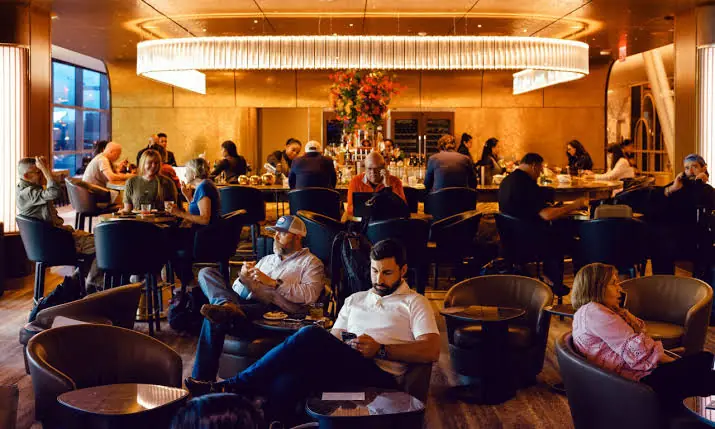
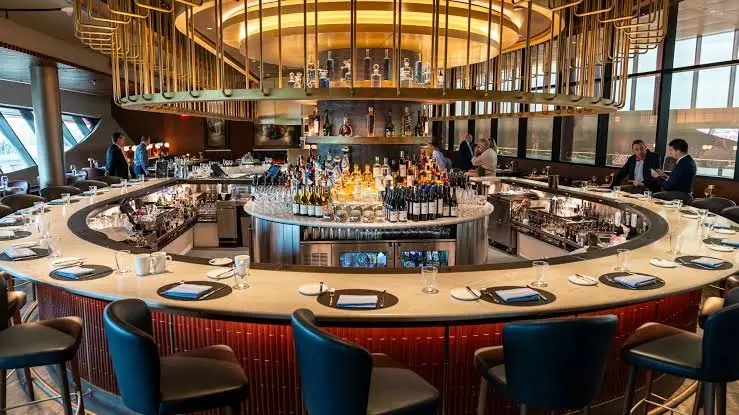
Today, executive airport lounge experiences usa function as sophisticated hospitality compounds. Leading facilities leverage biometric entry gates, chef-curated hot food stations, private phone booths, and real-time flight rebooking desks to support productive travel workflows.
Conceptual Frameworks and Mental Models
1. The Lounge Productivity Ratio (LPR)
The LPR model measures operational efficiency and comfort return across airport club visits:
Maximizing LPR values ensures that business travelers minimize wasted airport time while maximizing rest and productivity before flights.
2. The Four Pillars of Lounge Architecture
This framework organizes terminal club evaluation across four core operational requirements:
Evaluating lounge frameworks across these four pillars prevents critical operational blind spots during membership selection.
3. The Lounge Category Taxonomy (LCT)
The LCT framework classifies airport clubs by operational model and access governance:
-
Proprietary Airline Flagships: Ultra-premium hubs operated by major domestic carriers exclusively for international business class and elite tier flyers.
-
Credit Card Network Lounges: Premium spaces funded by financial institutions for holders of high-fee travel reward cards.
-
Independent Network Clubs: Multi-airline facilities accessed via annual subscription networks or digital pass aggregators.
Key Categories and Market Variations
1. Proprietary Airline Flagships
-
Characteristics: Gourmet dining stations, dedicated bartender service, private shower suites, and priority boarding bridges.
-
Trade-offs: Strict access rules and limited airport locations balanced against unmatched service quality and culinary excellence.
2. Credit Card Network Lounges
-
Characteristics: Modern interior design, local artisan food partnerships, cocktail bars, and family play rooms.
-
Trade-offs: High visitor volume and peak-hour wait queues offset by widespread domestic airport coverage.
3. Independent Network Clubs
-
Characteristics: Reliable basic amenities, quiet seating zones, snack stations, and multi-airline partner acceptance.
-
Trade-offs: Variable food quality and older interior styling managed alongside flexible access across diverse domestic terminals.
Lounge Category Comparison Table
| Lounge Category | Typical Annual Cost | Crowd Density | Primary Travel Advantage |
| Proprietary Flagship Hub | High (Elite Ticket / $600+) | Low to Moderate | Superior dining, showers, and direct boarding |
| Credit Card Network Club | High ($550 – $695 Card Fee) | High (Peak Times) | Modern design and expanding airport footprint |
| Independent Network Club | Moderate ($300 – $450) | Moderate | Broad network access across regional airports |
Detailed Real-World Real-World Scenarios
Scenario A: Managing Flight Connections During Hub Storm Delays
-
Context: A corporate consultant becomes stranded at a major airline hub when severe thunderstorms trigger rolling departure delays.
-
Constraints: General terminal seating areas are completely packed, creating extreme noise and zero workspace availability.
-
Decision Logic: The consultant accesses a proprietary airline flagship lounge, utilizes the dedicated rebooking desk, and secures a private workstation.
-
Failure Mode: Relying on general gate seating leaves the traveler stranded in noisy public areas, preventing urgent client conference calls.
Scenario B: Utilizing Credit Card Lounges for Inter-Terminal Transfers
-
Context: A sales executive arrives early at an unfamiliar airport terminal for a cross-country business flight.
-
Constraints: The departure gate sits in a remote concourse far away from the primary airline club network.
-
Decision Logic: The executive checks a digital lounge app, identifies an open credit card network club in the adjacent concourse, and plans a timed walk.
-
Failure Mode: Wandering aimlessly without checking lounge capacity apps leads to long wait queues and missed boarding windows.
Planning, Cost, and Resource Dynamics
Financial Sourcing and Fee Structures
Enterprise travel reward card acquisition requires evaluating annual subscription fees, authorized user costs, guest pass limits, and network acceptance. The table below outlines financial benchmarks across lounge access tiers.
Lounge Financial Resource Dynamics
| Access Tier | Annual Membership / Card Fee | Guest Access Surcharge | Primary Financial Advantage |
| Premium Travel Credit Card | $550 – $695 per year | $50 per guest | Comprehensive airport network and travel credits |
| Airline Club Membership | $550 – $650 per year | $50 per guest | Uncapped access to specific carrier hubs |
| Independent Subscription | $329 – $469 per year | $35 – $45 per guest | Multi-network entry across regional airports |
Tools, Strategies, and Support Systems
Essential Travel Tools
-
Real-Time Lounge Capacity Apps: Mobile software tracking current queue lengths and occupancy percentages across airport clubs.
-
Digital Membership Card Wallets: Apple and Google Wallet passes that store lounge credentials for instantaneous contactless entry.
-
Airport Concourse Mapping Tools: Navigation apps calculating precise walking times between arrival gates and specific lounge facilities.
-
Flight Delay Rebooking Bots: Automated messaging tools that expedite alternative ticket issuance while sitting inside quiet clubs.
Operational Sourcing Strategies
-
Strategic Card Portfolio Alignment: Selecting travel reward cards that match the primary carrier hubs used by corporate travelers.
-
Off-Peak Lounge Scheduling: Planning arrival times to avoid peak morning and evening banking rushes when lounge queues peak.
-
Partner Network Utilization: Leveraging alliance partnership rules to gain entry into partner carrier lounges during domestic connections.
Risk Landscape and Failure Modes
Identifying Operational Risks
Relying on airport lounges without contingency planning introduces severe schedule disruptions, missed flights, and personal frustration.
Primary Operational Risk Vectors
-
Peak-Hour Entry Denials: Arriving at a lounge only to be turned away due to maximum fire safety capacity limits.
-
Remote Concourse Distance: Spending too much time relaxing in a distant lounge, resulting in missed final boarding calls.
-
Unreliable Wi-Fi Bandwidth: Experiencing network drops during high-volume periods when hundreds of guests stream video simultaneously.
Governance, Maintenance, and Long-Term Adaptation
Maintaining Travel Program Standards
Corporate travel managers must establish structured review cycles to audit lounge network utility, evaluate card fee expenses, and refine travel guidelines.
Travel Governance Checklist
-
Monthly Usage Audits: Review corporate card lounge visit frequencies to ensure membership fees deliver positive ROI.
-
Quarterly Network Reviews: Track changes to airport lounge access policies, partner exclusions, and guest fee adjustments.
-
Semi-Annual Traveler Surveys: Evaluate employee feedback regarding lounge crowding, food quality, and workspace utility.
-
Annual Provider Evaluation: Assess corporate card and club membership contracts before annual renewal cycles.
Measurement, Tracking, and Evaluation
Performance Indicators
Evaluating executive airport lounge experiences usa success requires tracking quantitative travel metrics alongside qualitative employee satisfaction signals.
Quantitative Metrics
-
Productive Travel Hours: Hours spent working in quiet lounge environments versus noisy public boarding gates.
-
Lounge Access Utilization Rate: The percentage of eligible corporate trips where travelers successfully utilized lounge facilities.
-
Connection Wait Efficiency: Average time saved per trip through expedited rebooking desks located inside premium clubs.
Qualitative Signals
-
Traveler Well-Being Feedback: Survey responses evaluating stress levels, rest quality, and physical comfort during multi-leg business journeys.
-
Client Entertainment Reviews: Qualitative assessments from traveling sales teams regarding the professional impression made by hosting clients in flagship lounges.
Common Misconceptions and Oversimplifications
Myth 1: Having Any Premium Travel Credit Card Guarantees Instant Lounge Entry Everywhere
-
Correction:* Strict capacity caps, guest restrictions, and network exclusions frequently cause entry denials during peak travel hours.
Myth 2: All Airport Lounges Feature Quiet Workspaces and High-Speed Internet
-
Correction:* Many older contract lounges lack private workstations, reliable Wi-Fi, and adequate power outlets for professional tasks.
Myth 3: Airport Clubs Eliminate the Need to Arrive Early for Flights
-
Correction:* Security queue times and long concourse walks still require standard pre-flight arrival windows, even with lounge access.
Ethical, Practical, and Regulatory Considerations
Traveler Wellness and Fatigue Management
Enterprise organizations carry an ethical responsibility to support employee physical well-being during intense travel schedules. Providing access to quiet airport lounges, nutritious food options, and clean shower facilities reduces travel fatigue and protects long-term health.
Equitable Corporate Travel Policies
Corporate travel guidelines must ensure fair access to premium transit amenities, preventing unnecessary disparities between executive leadership and traveling staff members.
Conclusion
Mastering executive airport lounge experiences usa requires balancing card network memberships, hub proximity, capacity management apps, and structured travel governance. Enterprise leaders recognize that premium terminal amenities protect workforce productivity and enhance business travel efficiency.
By conducting rigorous network evaluations, establishing clear governance frameworks, and monitoring productivity metrics, organizations build resilient travel strategies that support enduring commercial success.