Top Executive Conference Venues in the US: Venue Selection Guide
The strategic selection of high-tier corporate gathering spaces across the United States has evolved into a critical governance decision. Enterprise organizations no longer treat corporate retreats, annual strategy sessions, or shareholder board meetings as simple logistics tasks. Corporate leadership teams recognize that physical gathering environments directly shape participant focus, confidential negotiations, and organizational alignment. Venues are selected based on strict operational requirements: acoustic isolation, network redundancy, discrete arrival pathways, and seamless corporate catering capabilities.
Navigating this specialized market requires evaluating factors far beyond square footage and ballroom aesthetic appeal. Evaluating corporate gathering properties involves analyzing spatial flow, technical infrastructure, audio-visual capabilities, local transit accessibility, and administrative billing structures. A historic coastal estate may boast an impressive physical setting, yet fail high-stakes corporate summits if its internet infrastructure drops encrypted streams. Conversely, a modern urban property might offer high technical connectivity, while lacking private areas for confidential conversations.
This editorial guide delivers an analytical framework for executive planning committees, corporate event directors, and chief administrative officers. By examining venue categories, procurement structures, operational risks, and event governance frameworks, this reference facilitates objective decisions when selecting high-end conference properties nationwide.
Understanding “Top Executive Conference Venues in the US”
Defining High-Security Meeting Environments
The phrase top executive conference venues in the us identifies specialized commercial lodging and meeting assets configured for board-level gatherings. These properties integrate secure technical systems with high-end hospitality operations. Selecting appropriate sites requires assessing how effectively an environment protects corporate privacy while fostering productive discussion.
Strategic Trade-Offs in Site Selection
Securing high-tier venues requires balancing distinct spatial and operational requirements. A property featuring grand public foyers encourages networking, yet often compromises acoustic privacy for confidential board discussions. Strategic site planners navigate these competing requirements by evaluating key tradeoffs:
-
Acoustic Isolation vs. Open Architecture: Quiet, soundproof boardrooms balanced against open break-out lounges.
-
Seclusion vs. Airport Proximity: Peaceful, remote estates versus urban hubs with direct international flights.
-
High-Touch Service vs. Privacy: Attentive staff service balanced against strict non-disclosure protocols during private sessions.
Misunderstandings in Venue Sizing
A common error in venue selection is confusing general convention capacity with executive utility. Large convention hotels excel at managing thousands of trade show attendees, yet frequently struggle to deliver the quiet, secure, and personalized service required by board-level executives.
Corporate planners often assume higher room rates guarantee technical reliability. However, older luxury properties frequently suffer from outdated AV infrastructure, slow Wi-Fi uploads, or inadequate electrical power for high-density tech setups.
Deep Contextual Background: Evolution of High-Tier Meeting Spaces
The Shift from Generic Banquets to Strategic Command Centers
Corporate conference planning was once dominated by standard downtown hotel ballrooms. Organizations accepted generic room configurations, rigid banquet menus, and shared public foyers. Meeting success was judged primarily by attendance figures and logistical execution.
The expansion of global enterprise operations, rapid market shifts, and heightened cyber threats altered these expectations. Modern corporate retreats now function as strategic command centers. Executives require facilities engineered for high-bandwidth remote collaboration, secure communication, and focused decision-making.
Architectural Adaptations in Modern Hospitality
Property developers and hotel groups have adapted to these evolving demands. Unused grand ballrooms are being renovated into soundproofed, modular boardrooms equipped with multi-camera hybrid streaming systems.
In-room and suite layouts have undergone similar redesigns. Standard guest rooms are increasingly converted into private breakout suites, featuring integrated digital whiteboards, ergonomic seating, and dedicated high-speed network drops.
Conceptual Frameworks and Mental Models
1. The Secure Productivity Index (SPI)
The Secure Productivity Index provides a mathematical model for evaluating potential corporate meeting facilities.
A higher SPI score highlights properties that minimize external distractions, protect sensitive discussions, and offer robust technical connectivity.
2. The Concentric Security Layer (CSL) Model
The CSL Model evaluates a venue’s physical and operational security layout, ensuring confidential corporate discussions remain protected across multiple spatial boundaries:
Properties with well-designed concentric zones prevent casual hotel guests or unvetted personnel from accessing meeting corridors.
3. The Hybrid Integration Framework (HIF)
The HIF model measures a facility’s readiness to host hybrid events, blending in-person executive discussions with secure remote participants:
-
Network Capacity: Symmetrical fiber optic lines capable of handling simultaneous multi-feed HD video streams.
-
Acoustic Engineering: Sound-dampening wall panels and directional microphone arrays that prevent room echo.
-
Visual Integration: High-resolution digital displays positioned to maintain natural eye contact between local and remote attendees.
Key Categories and Market Variations
Selecting from top executive conference venues in the US requires understanding distinct market categories and their operational advantages.
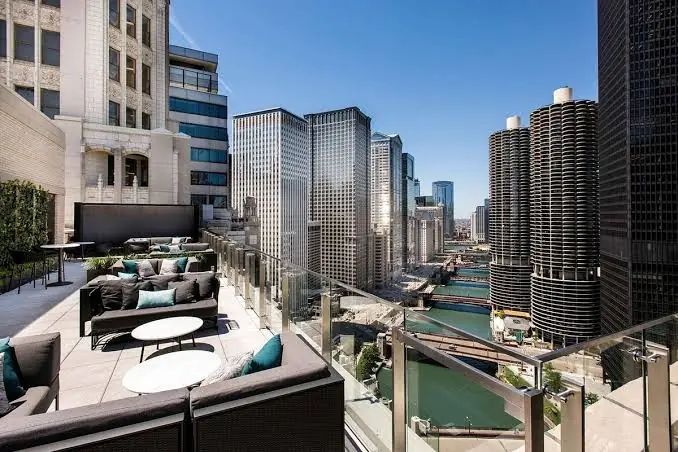
1. Urban Executive Flagships
-
Representative Markets: New York City, Chicago, Boston, San Francisco.
-
Characteristics: Central urban locations, direct international airport connectivity, access to fine dining and cultural institutions.
-
Trade-offs: Elevated costs, high public foot traffic, limited outdoor space.
2. Secluded Mountain and Coastal Retreats
-
Representative Markets: Aspen, Jackson Hole, Sea Island, Carmel-by-the-Sea.
-
Characteristics: High physical privacy, striking natural scenery, extensive outdoor team-building amenities.
-
Trade-offs: Longer ground transit times from regional airports, seasonal weather risks.
3. Dedicated Conference Centers
-
Representative Markets: Suburban Washington D.C., Dallas-Fort Worth, Denver Metro.
-
Characteristics: Purpose-built learning environments, ergonomic furniture, comprehensive all-inclusive day meeting packages.
-
Trade-offs: Less formal luxury atmosphere, limited surrounding entertainment options.
4. Historic Country Estates
-
Representative Markets: Hudson Valley, Virginia Hunt Country, Berkshires.
-
Characteristics: Exclusive property buyouts, historic architecture, highly personalized service.
-
Trade-offs: Variable Wi-Fi coverage across historic buildings, smaller room inventories.
Venue Category Comparison
| Category | Primary Strategic Use | Spatial Profile | Security Level | Transit Accessibility |
| Urban Flagships | Shareholder Meetings, Press Conferences | Vertical High-Rise, Compact | High (Managed Access) | Exceptional (Direct Rail/Air) |
| Secluded Retreats | Strategic Planning, C-Suite Retreats | Horizontal Campus, Sprawling | Very High (Natural Isolation) | Moderate (Extended Drives) |
| Dedicated Centers | Training Seminars, Product Workshops | Functional Layout, Modular | Moderate (Shared Facilities) | High (Highway Corridors) |
| Historic Estates | Board Buyouts, High-Level Negotiations | Low-Rise, Private Grounds | Exceptional (Full Buyout) | Moderate (Regional Airports) |
Detailed Real-World Scenarios
Scenario A: The Annual Board Meeting in Chicago
-
Context: A Fortune 500 company hosts its annual board meeting and executive review in downtown Chicago.
-
Constraints: Absolute acoustic privacy, high-speed secure video links to international directors, and private arrival pathways.
-
Decision Logic: The planning committee selects a dedicated executive floor at an urban flagship hotel, securing a private elevator bank and an isolated boardroom suite.
-
Failure Mode: Booking a standard meeting room adjacent to a general industry conference introduces noise distractions and compromises attendee privacy.
Scenario B: The Executive Strategy Retreat in Aspen
-
Context: A rapidly growing tech firm plans an intensive strategy session for twenty executives.
-
Constraints: High-bandwidth Wi-Fi for product demos, outdoor recreational options, and flexible meeting spaces.
-
Decision Logic: The team reserves a secluded mountain retreat offering dedicated fiber connections, modular breakout lounges, and outdoor team-building activities.
-
Failure Mode: Selecting a mountain resort without verified network capabilities results in bandwidth bottlenecks during key technical presentations.
Planning, Cost, and Resource Dynamics
Budgeting for high-level corporate events involves managing direct facility fees, catering costs, audio-visual technical support, and transportation logistics. The table below details standard investment ranges across venue categories.
Expense Structure Breakdown
| Venue Category | Daily Meeting Package (Per Person) | Full Property Buyout (Per Day) | Dedicated AV Support (Per Day) | Ground Logistics (Per Transfer) |
| Urban Flagship | $250 – $500 | $50,000 – $150,000+ | $2,500 – $8,000 | $120 – $250 |
| Secluded Retreat | $300 – $600 | $40,000 – $120,000 | $2,000 – $6,000 | $150 – $350 |
| Dedicated Center | $150 – $300 | $25,000 – $60,000 | $1,200 – $3,500 | $80 – $180 |
| Historic Estate | $350 – $700 | $35,000 – $90,000 | $1,800 – $5,000 | $130 – $280 |
Tools, Strategies, and Support Systems
Executing successful executive meetings relies on specialized technology platforms and systematic planning frameworks:
-
Site Inspection Toolkits: Utilizing technical testing gear to measure ambient noise levels, cellular signal strength, and Wi-Fi performance during initial site visits.
-
RFP Optimization Platforms: Standardizing Request for Proposal forms to require detailed disclosures regarding network security, staff background checks, and AV equipment specifications.
-
Encrypted Presentation Hardware: Using secure, dedicated laptops and encrypted wireless presentation tools to prevent data leaks during slide decks.
-
Dedicated Logistics Coordinators: Engaging experienced corporate event managers who manage on-site logistics, catering timelines, and emergency rebooking needs.
Risk Landscape and Failure Modes
Selecting meeting facilities involves managing technical, operational, financial, and security risks. Understanding common failure modes helps event directors safeguard corporate programs:
-
Cybersecurity Vulnerabilities: Public Wi-Fi networks in meeting foyers allow unauthorized access to confidential company documents.
-
Acoustic Intercepts: Thin walls or shared air ducts allow sensitive discussions to be overheard in adjacent spaces.
-
AV System Failures: Outdated audiovisual gear or poor technical support delays presentations and disrupts tight schedules.
-
Contractual Attrition Liabilities: Rigid cancellation and attrition clauses trigger unexpected financial penalties if executive attendance numbers shift.
Governance, Maintenance, and Long-Term Adaptation
Establishing Corporate Venue Selection Frameworks
Enterprise organizations benefit from establishing standardized procurement guidelines for meeting facilities. Clear governance ensures every selected venue meets corporate security, connectivity, and budgetary requirements.
Event Site Evaluation Checklist
-
Bandwidth Assessment: Verify dedicated upload and download speeds exceed 100 Mbps in all primary meeting rooms.
-
Acoustic Audit: Test room soundproofing by measuring sound leakage into hallways and adjoining spaces.
-
Security Protocol Verification: Ensure keycard controls secure meeting corridors and private elevator banks.
-
Contract Review: Confirm clear terms regarding cancellation policies, attrition rates, and food and beverage minimums.
Measurement, Tracking, and Evaluation
Planning committees should evaluate venue performance using both quantitative operational data and qualitative executive feedback.
Quantitative Indicators
-
Network Uptime Percentage: Tracking Wi-Fi and video connection stability throughout the event.
-
Schedule Variance: Measuring delays caused by facility, AV, or catering bottlenecks.
Qualitative Signals
-
Executive Feedback Ratings: Surveying attendees on room acoustics, seating comfort, food quality, and privacy.
-
Meeting Director Assessments: Evaluating property staff responsiveness, technical competence, and crisis management capabilities.
Common Misconceptions and Oversimplifications
Myth 1: Higher Room Rates Equal Better Tech Infrastructure
-
Correction: Room rates reflect brand positioning and location, not technical capabilities. Always test network speeds and AV setups independently during site visits.
Myth 2: All Luxury Properties Ensure Complete Confidentiality
-
Correction: High-end consumer hotels focus on guest service, not corporate security. Dedicated security protocols must be negotiated explicitly in the contract.
Myth 3: Buying Out a Property Guarantees Smooth Execution
-
Correction: Buying out a boutique property grants privacy, but smaller facilities often lack on-site AV technicians, redundant power generators, or deep catering resources.
Ethical, Practical, and Regulatory Considerations
Corporate Sustainability Goals
Event procurement teams increasingly prioritize facilities with verifiable green certifications. Corporate policies often require venues to demonstrate waste reduction practices, energy-efficient HVAC operations, and locally sourced food programs to align with corporate sustainability commitments.
Accessibility and Regulatory Compliance
Meeting spaces must fully comply with federal accessibility standards, including the Americans with Disabilities Act (ADA). Planning teams ensure all meeting suites, dining venues, and restrooms offer step-free access, wide doorways, and appropriate accommodation features.
Conclusion
Selecting from top executive conference venues in the US requires looking beyond basic luxury amenities. Successful gatherings depend on finding properties that offer robust technical systems, strong physical security, soundproofed rooms, and reliable service teams.
By applying structured evaluation models, conducting thorough site audits, and negotiating clear contract terms, corporate event planners can secure environments that protect confidential discussions, support hybrid participation, and drive executive alignment.