Best Top Executive Golf Resorts In America & Luxury Destinations
Hosting corporate retreats and executive meetings requires coordinating championship golf course layouts, high-bandwidth private meeting rooms, private aviation access, and secluded dining venues. Modern chief executive officers and corporate event directors face intricate operational challenges as strategic business relationship building moves onto world-class fairways. Selecting premier properties demands looking beyond basic green fee pricing to analyze agronomic turf conditions, caddie program quality, private clubhouse privacy, and nearby private airfield capabilities. Relying on superficial resort brochures or unverified hospitality rankings introduces severe logistical failures and wasted corporate budgets.
Corporate hospitality demand requires careful analysis of private villa lodging configurations, group tee-time reservation lead times, dedicated event concierge services, and post-round dining capacity. Business leaders frequently encounter rigid tee-time blackout dates, inadequate breakout meeting space, and poor Wi-Fi connectivity inside historic clubhouses without receiving advance technical disclosures. Corporate travel managers need structured frameworks to evaluate coastal links, desert oasis courses, mountain retreats, and historic country club resorts. Implementing robust venue selection criteria eliminates scheduling bottlenecks and ensures consistent professional networking success across diverse regional markets.
Mastering destination selection requires a systematic approach to course architectural pedigree, hospitality infrastructure auditing, and privacy protocol negotiation. Decision makers must analyze local municipal noise restrictions, private security protocols, emergency medical evacuation access, and weather contingency plans. Organizations that establish clear evaluation criteria avoid costly booking disputes and ensure long-term alignment with executive development objectives.
This reference guide analyzes hospitality ecosystems, course evaluation methodologies, operational risk factors, and institutional governance frameworks. By examining structural categories, cost models, failure modes, and property management protocols, this document serves as an authoritative manual for chief executive officers, corporate meeting planners, and travel directors.
Understanding “Top Executive Golf Resorts in America”
Defining Scope and Core Resort Capabilities
To evaluate top executive golf resorts in america effectively, planning teams must assess properties across championship course difficulty ratings, private dining room acoustics, high-speed fiber internet coverage, and executive cottage privacy. Systemic venue failure occurs when properties feature public tourist congestion, lack secure meeting spaces, or fail to secure contiguous tee times for large corporate groups.
Strategic Trade-Offs in Resort Selection
Balancing challenging championship course design against accessible playability for diverse executive skill levels presents a persistent challenge for corporate hosts. Difficult tournament layouts test seasoned golfers, but novice executives can experience frustrating delays and high score fatigue.
Primary Operational Friction Points
-
Championship Course Difficulty vs. Novice Playability: Hard courses challenge experts, while approachable designs keep group rounds moving smoothly.
-
Historic Member Clubhouses vs. Modern Corporate Resorts: Historic clubs offer traditional charm, whereas modern resorts provide flexible digital meeting tech.
-
Remote Secluded Destinations vs. Accessible Urban Proximity: Remote properties ensure absolute privacy, while urban resorts simplify commercial airline transit.
Root Causes of Resort Inefficiency
Inadequate tee-time allocation remains a primary driver of fragmented corporate networking schedules. When resort booking desks fail to hold consecutive morning blocks, executive foursomes become separated across distant afternoon slots, ruining collaborative discussions.
Another frequent failure involves poor clubhouse acoustic engineering. When high-vaulted dining rooms lack sound-absorbing materials, ambient chatter echoes loudly, preventing confidential deal negotiations during celebratory dinners.
Deep Contextual Background: Evolution of Business Golf Destinations
From Private Country Clubs to Integrated Enterprise Hubs
Executive golf destinations originated as private metropolitan country clubs and rustic rural hunting lodges during the late nineteenth century. Corporate hosts relied on modest wooden clubhouses, handwritten tee sheets, and simple dining rooms to entertain commercial partners.
The expansion of master-planned resort real estate and luxury hospitality brands during the late twentieth century introduced integrated golf villas and multi-course complexes.
Modern Integrated Enterprise Golf Ecosystems
Today, top executive golf resorts in america function as sophisticated enterprise compounds. Leading properties leverage private airstrip access, secure encrypted boardrooms, biometric security gates, and professional caddie mentorship programs to support high-level corporate deal-making.
Conceptual Frameworks and Mental Models
1. The Executive Value Ratio (EVR)
The EVR model measures operational efficiency and return on investment across corporate golf retreat properties:
Maximizing EVR values ensures that corporate organizers minimize travel headaches while maximizing productive relationship-building moments on pristine fairways.
2. The Four Pillars of Resort Architecture
This framework organizes property evaluation across four core operational requirements:
Evaluating resort frameworks across these four pillars prevents critical operational blind spots during corporate site selection.
3. The Resort Category Taxonomy (RCT)
The RCT framework classifies golf properties by geographic setting and corporate utility:
-
Coastal Links Estates: Oceanfront properties featuring rolling dunes, challenging sea breezes, and dramatic sunset backdrops.
-
Mountain Alpine Retreats: High-elevation courses surrounded by towering pines, crisp fresh air, and secluded executive cabins.
-
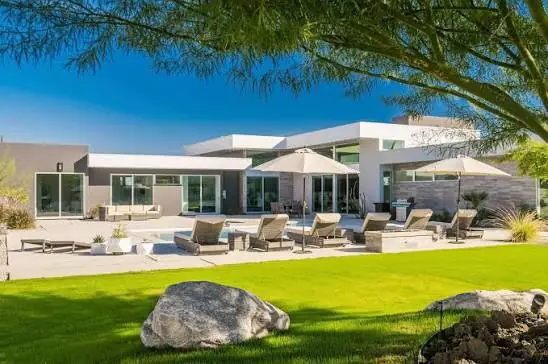
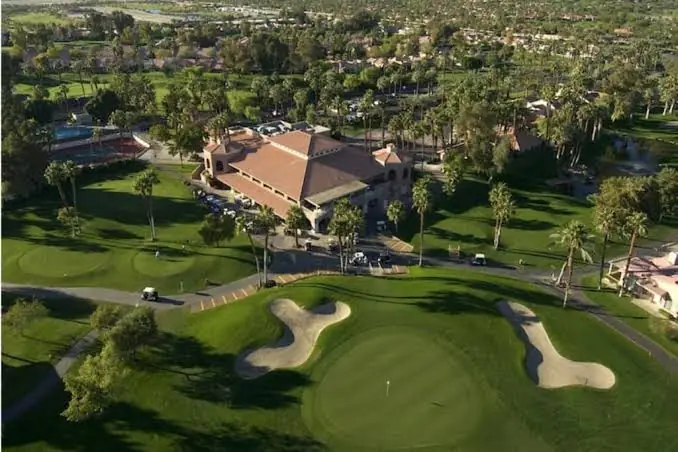
Desert Oasis Compounds: Sun-drenched resort complexes offering immaculate bentgrass greens, dramatic canyon vistas, and luxury desert villas.
Key Categories and Market Variations
1. Coastal Links Estates
-
Characteristics: Saltwater breezes, sandy soil conditions, undulating fairways, and panoramic ocean vistas.
-
Trade-offs: High seasonal weather unpredictability balanced against unforgettable scenic backdrop aesthetics for executive photography.
2. Mountain Alpine Retreats
-
Characteristics: Elevation-adjusted ball flight dynamics, dramatic vertical drops, dense pine forests, and cool summer temperatures.
-
Trade-offs: Short operating seasons and frost delays offset by breathtaking natural seclusion and serene meeting environments.
3. Desert Oasis Compounds
-
Characteristics: Year-round sunshine, lush green fairways contrasted against stark canyon rocks, and expansive resort amenities.
-
Trade-offs: Intense summer heat management required, managed alongside immaculate course conditioning and luxury spa facilities.
Resort Category Comparison Table
| Resort Category | Typical Weather Window | Course Agility | Primary Corporate Benefit |
| Coastal Links Estates | Spring through Fall | High (Wind Adaptive) | Iconic scenic backdrops for client entertainment |
| Mountain Alpine Retreats | Late Spring to Early Fall | Moderate (Elevation Rules) | Absolute privacy and cool summer boardroom temps |
| Desert Oasis Compounds | Fall through Spring | High (Year-Round Play) | Consistent sunny weather and extensive spa infrastructure |

Detailed Real-World Scenarios
Scenario A: Hosting an M&A Retreat at a Coastal Links Estate
-
Context: A technology conglomerate organizes a three-day merger negotiation retreat for twelve board members at a renowned Scottish-style links course in California.
-
Constraints: Coastal fog delays morning tee times, threatening to disrupt scheduled afternoon boardroom negotiation sessions.
-
Decision Logic: Event directors coordinate with the head professional to shift foursomes to a protected inland loop while arranging private clubhouse lunch service.
-
Failure Mode: Failing to establish weather backup plans leaves executives stranded on the clubhouse patio, causing missed deadlines and mounting frustration.
Scenario B: Managing an Annual Executive Summit at a Desert Oasis Compound
-
Context: An investment banking firm hosts fifty senior partners for a week-long strategic planning summit at a luxury desert resort in Arizona.
-
Constraints: Resort conference center undergoes sudden Wi-Fi network maintenance during the opening morning keynote presentation.
-
Decision Logic: The corporate planner utilizes the resort’s redundant satellite backup network and transitions the session to a private executive villa boardroom.
-
Failure Mode: Relying on a single unbacked network connection halts digital slide presentations, stalling critical financial review sessions.
Planning, Cost, and Resource Dynamics
Financial Sourcing and Fee Structures
Enterprise resort acquisition requires evaluating nightly villa rates, group golf tournament packages, private dining minimums, and caddie gratuities. The table below outlines financial benchmarks across resort tiers.
Resort Financial Resource Dynamics
| Resort Tier | Daily Cost Per Executive | Group Setup & Facility Fees | Primary Financial Advantage |
| Ultra-Luxury Championship | $1,500 – $3,500 per night | $10,000 – $30,000 | World-class course pedigree and private security |
| Boutique Mountain Resort | $800 – $2,000 per night | $5,000 – $15,000 | Secluded alpine privacy and dedicated staff |
| Desert Oasis Complex | $1,000 – $2,500 per night | $7,000 – $20,000 | Comprehensive spa and conference facilities |
Tools, Strategies, and Support Systems
Essential Resort Planning Tools
-
Group Tee-Time Management Portals: Digital booking software that synchronizes player handicaps, pairing lists, and starting hole assignments.
-
Private Airstrip Coordination Apps: Logistics trackers that monitor nearby FBO runway availability and private jet landing slots.
-
Encrypted Boardroom Security Scanners: Sweep tools that verify meeting room digital privacy before sensitive contract reviews.
-
Mobile Caddie Scheduling Platforms: Apps that assign professional caddies based on player skill levels and personality matches.
Operational Sourcing Strategies
-
Early Exclusive Buyout Negotiations: Securing full property buyouts twelve months in advance to guarantee complete executive privacy.
-
Contingency Weather Insurance: Purchasing specialized event insurance policies to protect against unplayable rain or windstorms.
-
Private Chef and F&B Customization: Collaborating directly with resort culinary teams to design customized dietary menus for evening galas.
Risk Landscape and Failure Modes
Identifying Operational Risks
Selecting executive golf properties without thorough vetting introduces severe scheduling conflicts, privacy breaches, and reputational damage.
Primary Operational Risk Vectors
-
Public Course Overcrowding: Resort permitting public outside play during corporate blocks, causing five-hour rounds and ruined schedules.
-
Security Breaches and Media Intrusion: Failing to secure private gates, allowing uninvited journalists or paparazzi to photograph executives.
-
Substandard Caddie Services: Assigning inexperienced course guides who fail to provide proper yardage and etiquette support to clients.
Governance, Maintenance, and Long-Term Adaptation
Maintaining Property Standards
Corporate travel directors must establish structured review cycles to audit resort performance, update preferred vendor lists, and refine safety protocols.
Resort Governance Checklist
-
Monthly Sourcing Audits: Review resort green fees, villa rates, and cancellation terms across target regions.
-
Quarterly Security Inspections: Verify private gate access controls, security camera placements, and boardroom encryption.
-
Semi-Annual Wi-Fi Stress Tests: Evaluate resort wireless network bandwidth capabilities during peak conference usage simulations.
-
Annual Portfolio Evaluation: Assess historical executive satisfaction scores and property partner performance before contract renewal.
Measurement, Tracking, and Evaluation
Performance Indicators
Evaluating resort selection success requires tracking quantitative operational metrics alongside qualitative executive feedback signals.
Quantitative Metrics
-
Foursome Pacing Consistency: Average minutes required to complete an eighteen-hole round without artificial delays or bottlenecking.
-
Meeting Room Technology Uptime: Percentage of operational hours during which audio-visual and network connections functioned flawlessly.
-
Private Airstrip Transfer Time: Minutes elapsed from private jet touchdown to executive check-in at the resort lodge.
Qualitative Signals
-
Executive Satisfaction Surveys: Post-retreat feedback ratings evaluating course conditioning, food quality, and room comfort.
-
Deal-Closing Success Metrics: Qualitative assessments from executive leadership regarding whether the retreat successfully advanced strategic business objectives.
Common Misconceptions and Oversimplifications
Myth 1: Any High-End Golf Resort Automatically Caters Well to Corporate Board Meetings
-
Correction: Many championship resorts prioritize weekend tourist golfers over corporate groups, lacking dedicated quiet boardrooms and reliable Wi-Fi.
Myth 2: Private Airstrip Access is a Minor Detail for Domestic Executive Travel
-
Correction: Long driving distances from commercial airports to remote golf resorts add exhausting transit hours that diminish executive productivity.
Myth 3: Publicly Rated Top-100 Golf Courses Always Provide the Best Networking Atmosphere
-
Correction: Famous tourist courses often enforce rigid pacing rules and tourist crowds that destroy the relaxed atmosphere needed for deal-making.
Ethical, Practical, and Regulatory Considerations
Privacy and Confidentiality Compliance
Enterprise organizations carry a legal and ethical obligation to protect sensitive merger discussions and intellectual property during off-site retreats. Resort venues must provide secure communication channels, private dining enclosures, and restricted staff access zones.
Environmental Stewardship Standards
Leading corporations prioritize golf resorts that demonstrate certified environmental responsibility, including recycled water turf irrigation, Audubon cooperative sanctuary certification, and sustainable clubhouse energy management.
Conclusion
Mastering how to select top executive golf resorts in america requires balancing championship course architecture, private aviation accessibility, secure boardroom infrastructure, and immaculate hospitality standards. Enterprise leaders recognize that carefully curated golf retreats protect corporate capital and foster high-value professional alliances.
By conducting thorough property evaluations, establishing clear governance frameworks, and monitoring operational performance metrics, organizations build resilient retreat strategies that support long-term business success.